Securing Cleanliness Excellence in Grooming Establishments through Effective Cleaning of Barber Tools
Wiki Article
Upkeeping high benchmarks of hygiene in grooming establishments is essential for shielding both clients and employees from possible infections. Grooming spaces are environments where sharp tools and hair tools come into close contact with epidermis, strands, and at times small nicks. This renders complete cleaning and sterilization a necessary procedure to avoid the spread of germs, infectious agents, and molds. By applying regular cleaning protocols, stylists can establish a safer setting, instill confidence in customers, and adhere with health regulations that control professional barber shops.
Efficient disinfection of tools starts with recognizing the difference between scrubbing, decontaminating, and decontaminating fully. Washing eliminates obvious debris such as hair, skin particles, and chemical traces, while sanitizing decreases the number of dangerous bacteria to a controlled degree. Complete disinfection advances by eliminating nearly all forms of pathogens, including dormant bacteria. Equipment such as cutters, razors, styling tools, and hair cutters must experience correct processes to ensure that each stage meets sanitation requirements. Applying EPA-approved disinfectants and observing the recommended procedures confirms that tools are both safe to apply and durable over time.
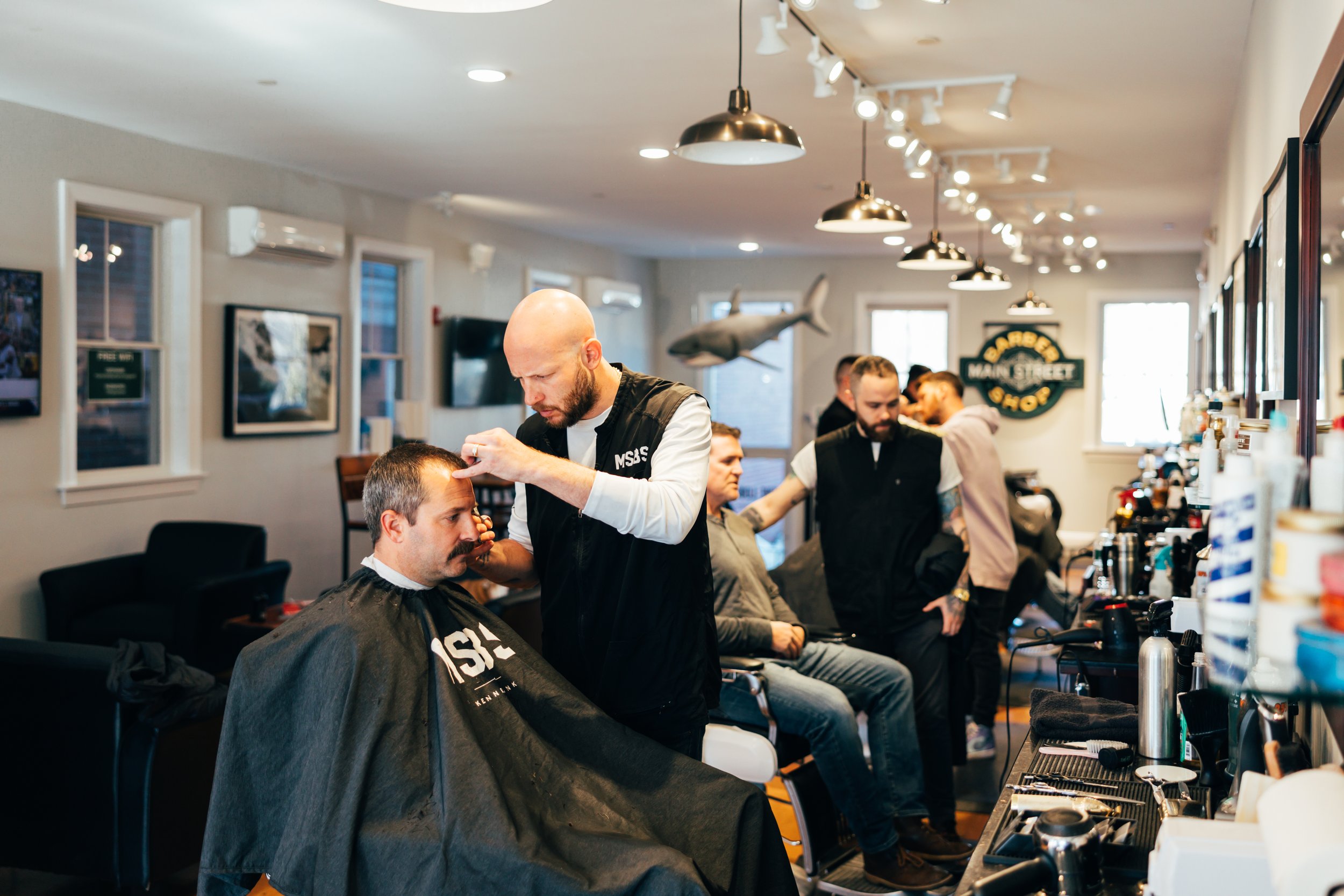
Grooming spaces must also focus on the organized handling and organization of cleaned equipment. Instruments that have been sterilized or prepared should be stored in a clean, controlled area to prevent microbial growth. Separate storage containers, UV sterilization units, or sealed containers can maintain instruments from environmental germs. Additionally, barbers should adopt the habit of marking cleaned tools and rotating them frequently to ensure consistent hygiene practices. A organized method blog here to tool management not only strengthens security but also demonstrates quality to clients.
Training barbers on go to this website correct sanitation techniques is another key component in upholding cleanliness standards. Barbers and salon employees should undergo instruction on safe hand hygiene, use of protective gloves, and the cleaning of common surfaces such as seating, counters, and washbasins. Regular training updates and checks support that hygiene practices remain consistent across the salon. Training barbers about the dangers of cross-contamination and the importance of adherence encourages a great site environment of hygiene and responsibility within the barber shop.
Frequent review and upkeep of cleaning tools also support cleanliness quality. Sterilizers, ultrasonic cleaners, and cleaning agents must be tested for performance, and any faulty equipment should be replaced immediately. Using a written cleaning plan and recording detailed documentation of disinfection routines further improves compliance with local sanitation laws. By integrating correct equipment sanitation, systematic storage, employee education, and device care, hair salons can maintain a safe, organized space that prioritizes the safety of every client.